
Search for...
Instructional Design Bookmarks
Published Bookmarks


In this post, we will talk about online resources available in the Creative Commons domain for your next eLearning course, the types of them and how to use.
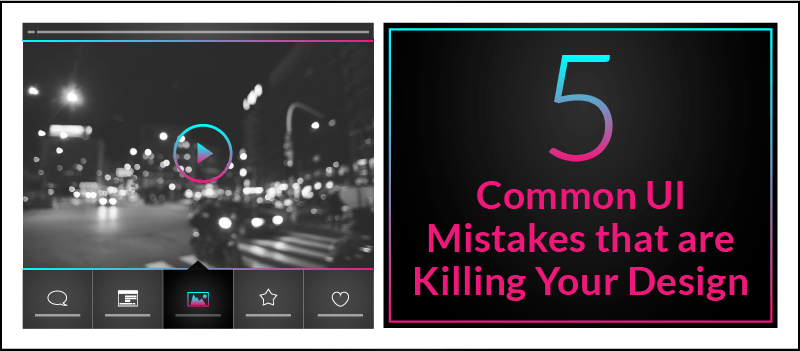
Avoid these common UI mistakes and make your eLearning design even better!
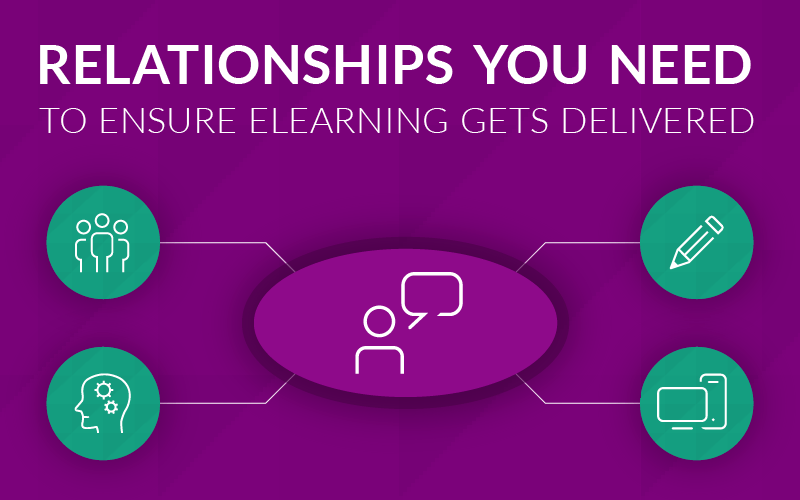
Any successful eLearning course is built upon the relationships you cultivate with other people in the organization. What relationships matter the most for eLearning designers?
The following post is an excellent submission to our general call for posts from undergraduate students. Pake Newell, a psychology student at Trent University's Oshawa campus, asks faculty to consi...
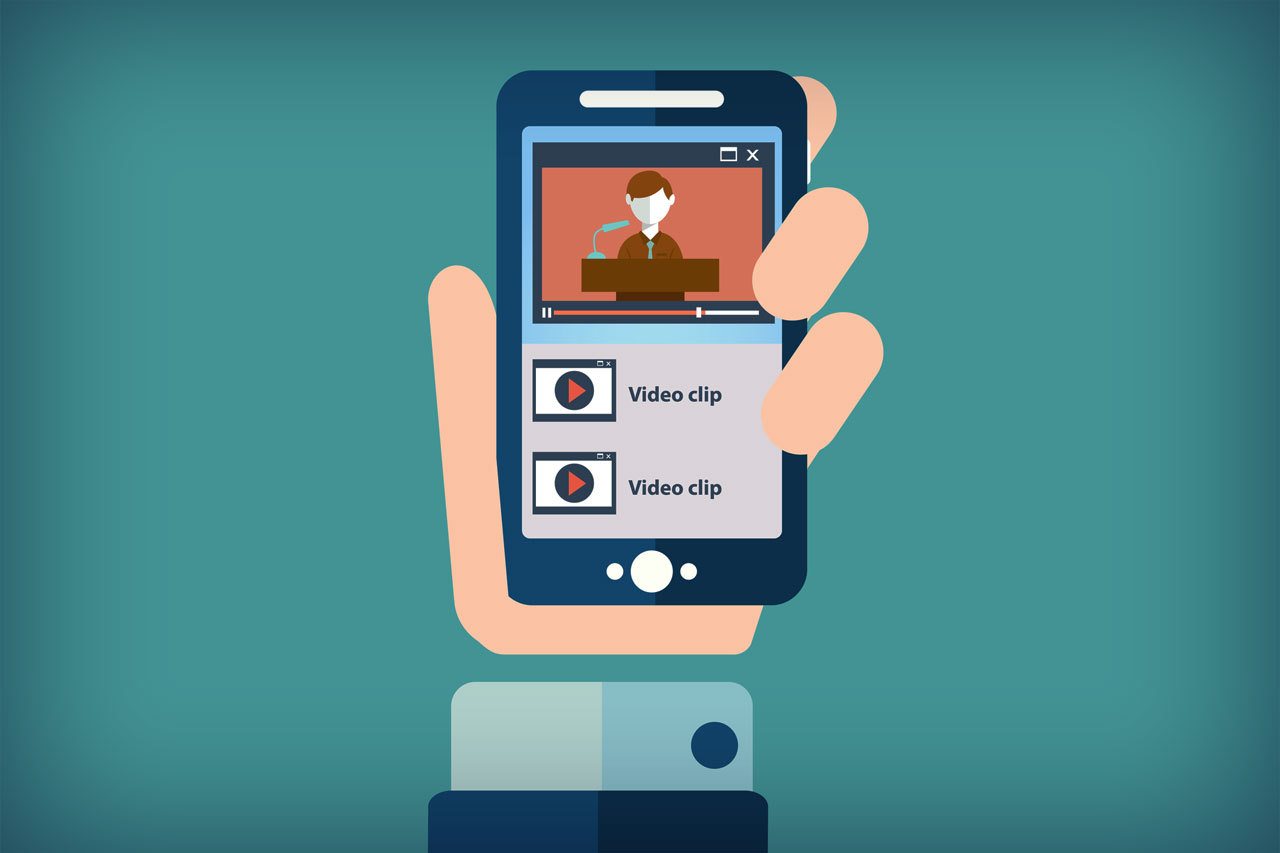
Video creation can be as simple or as complex as you wish, but no matter your skill level, you can create professional videos for your online courses. All you need is the Internet, a device with a camera, and simple, readily-available (and in some cases, free) software.

PowerPoint triggers are a great way to respond to user's actions within a course, letting them choose their own path. Engage your learners with triggers!

Development - a key stage of the ADDIE process, though not the last one. If during the previous stages we were chiefly concerned with analyzing the requirements and planning the education process, now we are getting down to business and beginning to work on the course proper. The developments stage involves having the format and the plan of the course approved by the higher-ups/clients and getting the instructional designers engaged with it.
Have you ever been in the position of needing to “sell” business leaders on the value of eLearning? Here are five tips to drive home how eLearning supports your organization.

Use Storytelling in your online courses to break the monotonous tone of Online learning. Telling about the course in the form of a story makes it more engaging for your students as this will entice them to follow on what to learn next.
Learn how to create eLearning following "the Storytelling Format".
Learn how to create eLearning following "the Storytelling Format".

"How do you want the learner to feel" is often the most overlooked aspect of your eLearning course.
Upcoming Instructional Design
Bookmarks All
Bookmarks All



Submit Bookmark